↠ sponsored post ↞
With more than 1,000 lakes, it is no wonder that the Mecklenburgische Seenplatte (Mecklenburg Lakeland) is named the 'Land of a Thousand Lakes' by locals. An extensive network of over 600 km of glacier-formed lakes and connecting canals makes this lakeland a paradise for anyone who loves water sport activities. As part of the Danish promo campaign #EinSmuttur arranged by Rejselandet Tyskland in collaboration with Mecklenburg-Vorpommern, we spent a day in the Mecklenburgische Seenplatte to soak in Germany's largest lakeland.
After a couple of days in Rügen, we continued our Meck-Pomm trip with a long morning drive to nature park Feldberger Seenlandschaft situated southeast in the district of Mecklenburgische Seenplatte. The distinctive features of the Feldberger Seenlandschaft are the clear lakes and the partially untouched forests with their extraordinary flora and fauna; some of which we would experience during our 24 hours stay in the area. Tucked amidst a cluster of blue lakes we arrived to the small village of Feldberg around noon and immediately proceeded towards the sport and leisure station Ruhepuls on the connecting half island Amtsweder to meet up with Robert Gardlowski. Robert welcomed us with a big smile and quickly briefed us on our Feldberger visit, while feeding us soup and wurst at the waterfront. Ruhepuls is German for resting pulse; a suitable and descriptive word for the harmonious combination of physical activity and peaceful lakeside environment tailored into todays program.
After a couple of days in Rügen, we continued our Meck-Pomm trip with a long morning drive to nature park Feldberger Seenlandschaft situated southeast in the district of Mecklenburgische Seenplatte. The distinctive features of the Feldberger Seenlandschaft are the clear lakes and the partially untouched forests with their extraordinary flora and fauna; some of which we would experience during our 24 hours stay in the area. Tucked amidst a cluster of blue lakes we arrived to the small village of Feldberg around noon and immediately proceeded towards the sport and leisure station Ruhepuls on the connecting half island Amtsweder to meet up with Robert Gardlowski. Robert welcomed us with a big smile and quickly briefed us on our Feldberger visit, while feeding us soup and wurst at the waterfront. Ruhepuls is German for resting pulse; a suitable and descriptive word for the harmonious combination of physical activity and peaceful lakeside environment tailored into todays program.


Peaceful kayaking in the Feldberger lakes
The day in Feldberger started with a few hours of kayaking, setting off from the Ruhepuls station by lake Haussee where we had picked up a dobbelt kayak. Being more than half a year since our last kayak trip, a tiny crash course on paddling techniques was necessary to refreshen our memories. Soon we were paddling in a perfectly synchronized movement like a set of siamese twins. With one stroke at a time we quickly moved forward and away from the lovely view of Feldberg and its towering church spire. From lake Haussee we continued via a short yet picturesque canal into lake Breiter Luzin (58 m), the second deepest lake of Mecklenburg. Both sides of this short connecting passage were lined with trees casting beautiful mirrow-images on the surface of the water - and we suddenly heard our amazon-thirsty voyager within us saying "stay, stay", leaving us with a deep desire to forever linger around this narrow and mystical canal.
Moving to the open waters of Breiter Luzin we felt summer spirit being injected into us by every light ray striking our winter pale faces. This bubbly feeling building up inside of us simply had to be channeled through song and what other than Pocahontas “Colors of the Wind” now that our kayaking bodies were unified with the gliding water itself. As the words "How high will the sycamore grow, if you cut if down you will never know.." crossed our lips, we glared towards the sky in hope to see two eagles perched on a tree top. Feldberger Seenlandschaft is known as the Land of the Eagles and thus it would not be unlikely to catch a glimpse of a circling hunter in the sky. The expansive stretches of water and forest in Feldberger Seenlandschaft still offers habitat for eagles, otters and black storks - not to mention wild orchids and wild rosemary. The sole presence of these species can be considered as a prestigious natural stamp of approval for the purity and integrity of the Feldberger nature. Although we didn’t encounter any of them on our way, it was still heartening to be in such a lush and wild nature. haft is known as the Land of the Eagles and thus we were waiting for the golden moment to catch a glimpse of a circling hunter in the sky.
Set on a forested peninsula on the shore of lake Breiter Luzin we arrived at Seehotel Lichtenberg, where we were greeted by smiles and waves from sunbathing Germans in their birthday suits as we docked our kayak. One hour rest was unfortunately all we had available here, but it was enough time for us to enjoy a homemade lemonade on the hotels lake-side terrace and go wandering off in the nearby woodland, chasing mirror-wolves as part of their amusing visuel installation.
Moving to the open waters of Breiter Luzin we felt summer spirit being injected into us by every light ray striking our winter pale faces. This bubbly feeling building up inside of us simply had to be channeled through song and what other than Pocahontas “Colors of the Wind” now that our kayaking bodies were unified with the gliding water itself. As the words "How high will the sycamore grow, if you cut if down you will never know.." crossed our lips, we glared towards the sky in hope to see two eagles perched on a tree top. Feldberger Seenlandschaft is known as the Land of the Eagles and thus it would not be unlikely to catch a glimpse of a circling hunter in the sky. The expansive stretches of water and forest in Feldberger Seenlandschaft still offers habitat for eagles, otters and black storks - not to mention wild orchids and wild rosemary. The sole presence of these species can be considered as a prestigious natural stamp of approval for the purity and integrity of the Feldberger nature. Although we didn’t encounter any of them on our way, it was still heartening to be in such a lush and wild nature. haft is known as the Land of the Eagles and thus we were waiting for the golden moment to catch a glimpse of a circling hunter in the sky.
Set on a forested peninsula on the shore of lake Breiter Luzin we arrived at Seehotel Lichtenberg, where we were greeted by smiles and waves from sunbathing Germans in their birthday suits as we docked our kayak. One hour rest was unfortunately all we had available here, but it was enough time for us to enjoy a homemade lemonade on the hotels lake-side terrace and go wandering off in the nearby woodland, chasing mirror-wolves as part of their amusing visuel installation.


On the way back to the Ruhepuls station, we took it with more ease and allowed ourselves to become immersed in the soul of the landscape. Our thoughts started to wander as we paddled peacefully on the water; where would the water take us if we had gone even further in this maze of lakes and canals? We both concluded that a few days would be more appropriate to fully submerge oneself into the Mecklenburgische forests, lakes and marshes.
Besides Feldberger Seenlandschaft, the Mecklenburgische Seenplatte offers wildlife experiences and recreation at several other nature parks such as Kummerower, Nossentiner/Schwinzer Heide and Mecklenburgische Schweiz, as well as Müritz National Park.
As an ideal place for kayaking, canoeing, and lakeside camping, suitable water vehicles can be rented in almost every village and there are multiple designated campsites to choose from. If you opt to follow The Adventures of Huckleberry Finn and Tom Sawyer, there are even rafts on which you can stay during long trips. Thankfully, loud combustion engines are taboo in most parts of these sensitive nature reserves - making the shores blissfully silent, aside from the chirping birds and the rustling of tree leaves and reeds in the wind.


An inviting homemade dinner by fisherman Oli
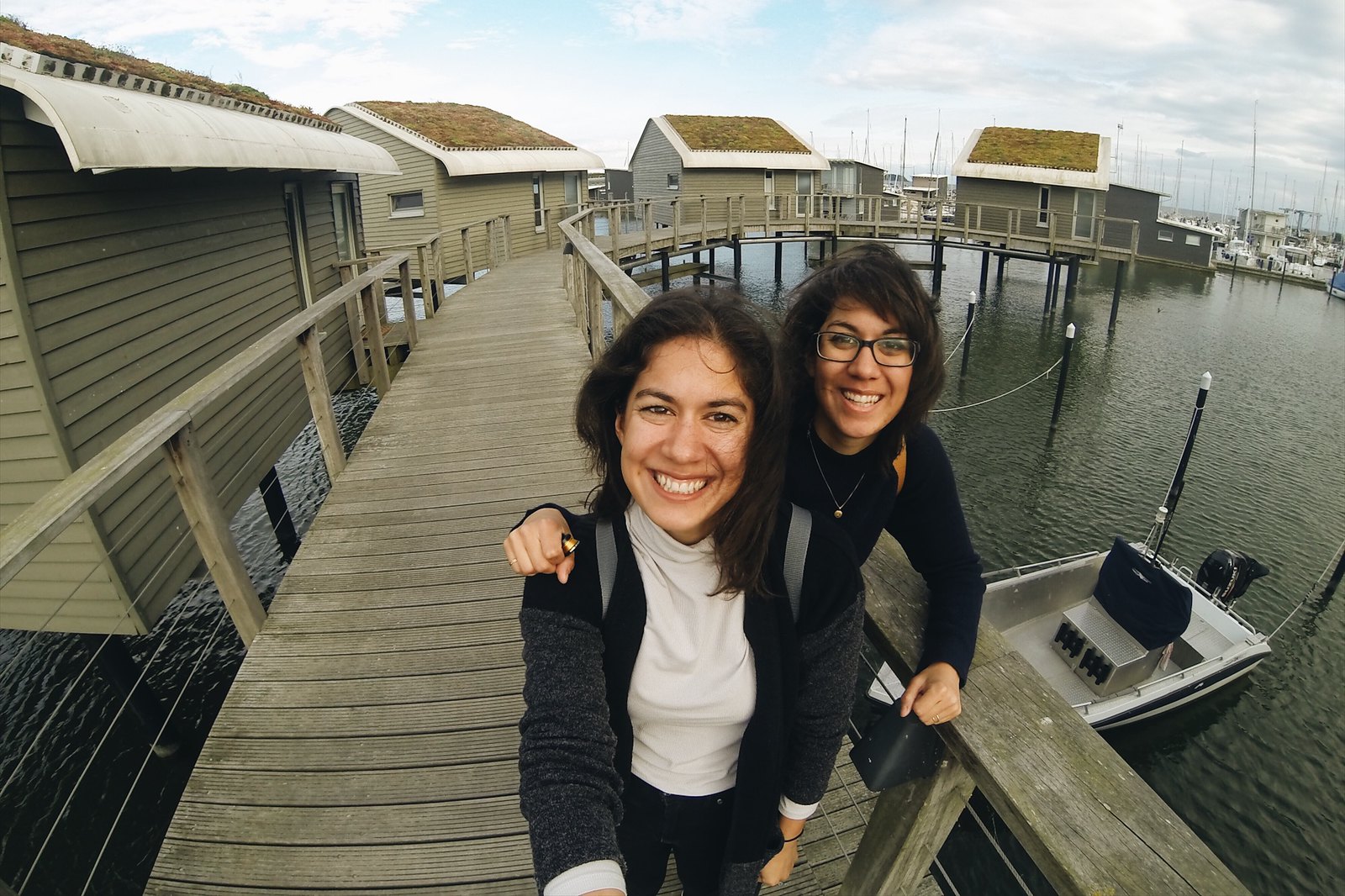
Late afternoon Robert sailed us across lake Haussee in one of those motorized rafts that we had been dreaming about all day. The deep colours of the water and the forest blended perfectly together, making it nearly impossible for us to spot the small wooden fishing cabin that would serve as the platform for the evenings festivities. Fisherman Oliver Pahlke (Oli) were waiting our arrival and had prepared an inviting homemade fish dinner - entirely based on his own catches. There were smoked eel and Fischfrikadellen garnished with dild sauce and lemon. It was all so fresh and delicious! We spent the night expanding our paunches while talking about our professions and dreams. Oli told us more about the concepts of sustainability and nature conservation practised in Seenfischerei Feldberg and how traditional fishing and cooking methods are the basis of his work and tours. The evening quickly soothed into a relaxing atmosphere full of laughter and jokes as we all had to challenge ourselves with our brother tongue. Before we knew it we were back on our raft, waving aufwiedersehen to Oli who disappeared beyond the fire’s dimmed glow.


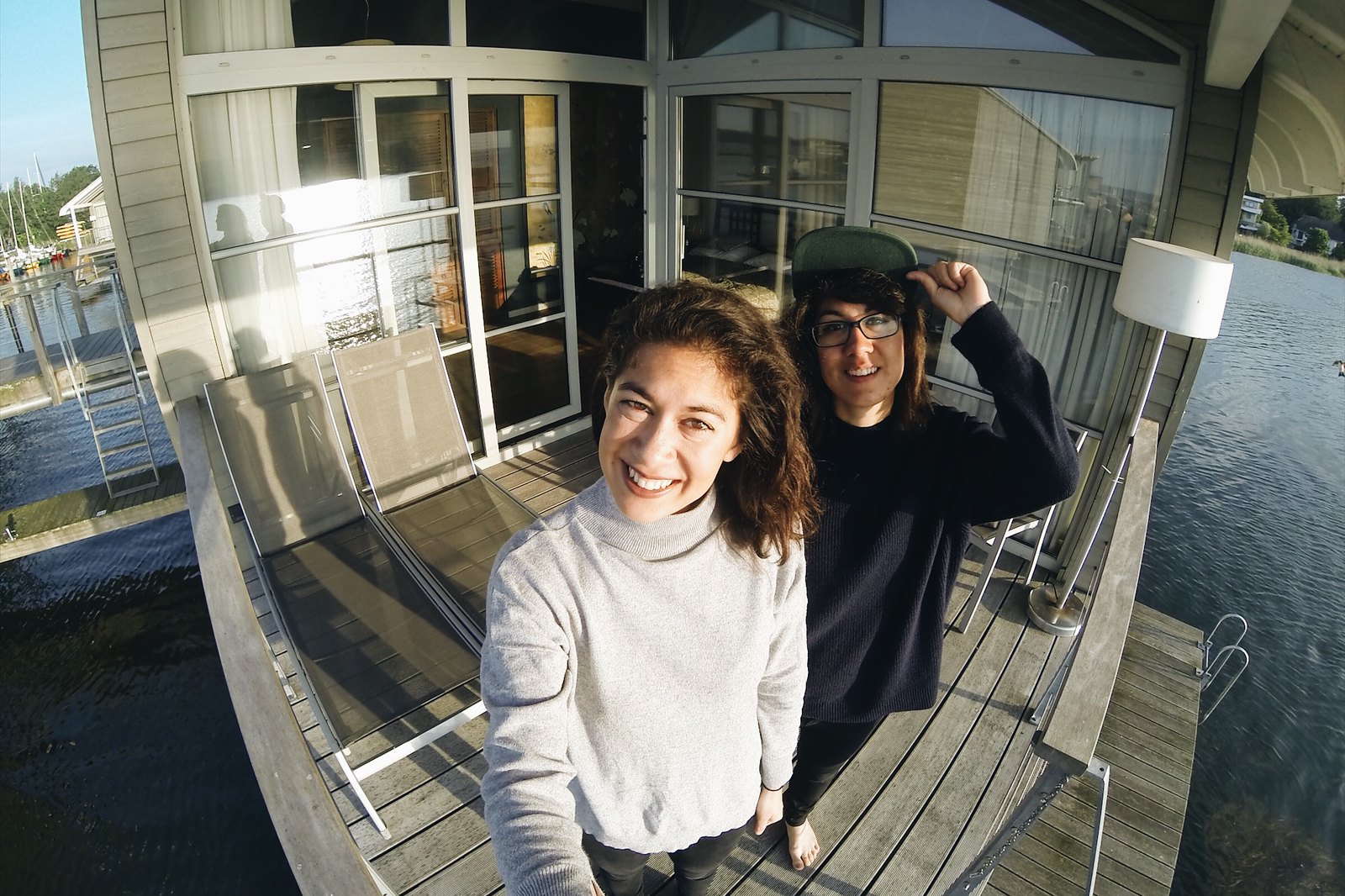
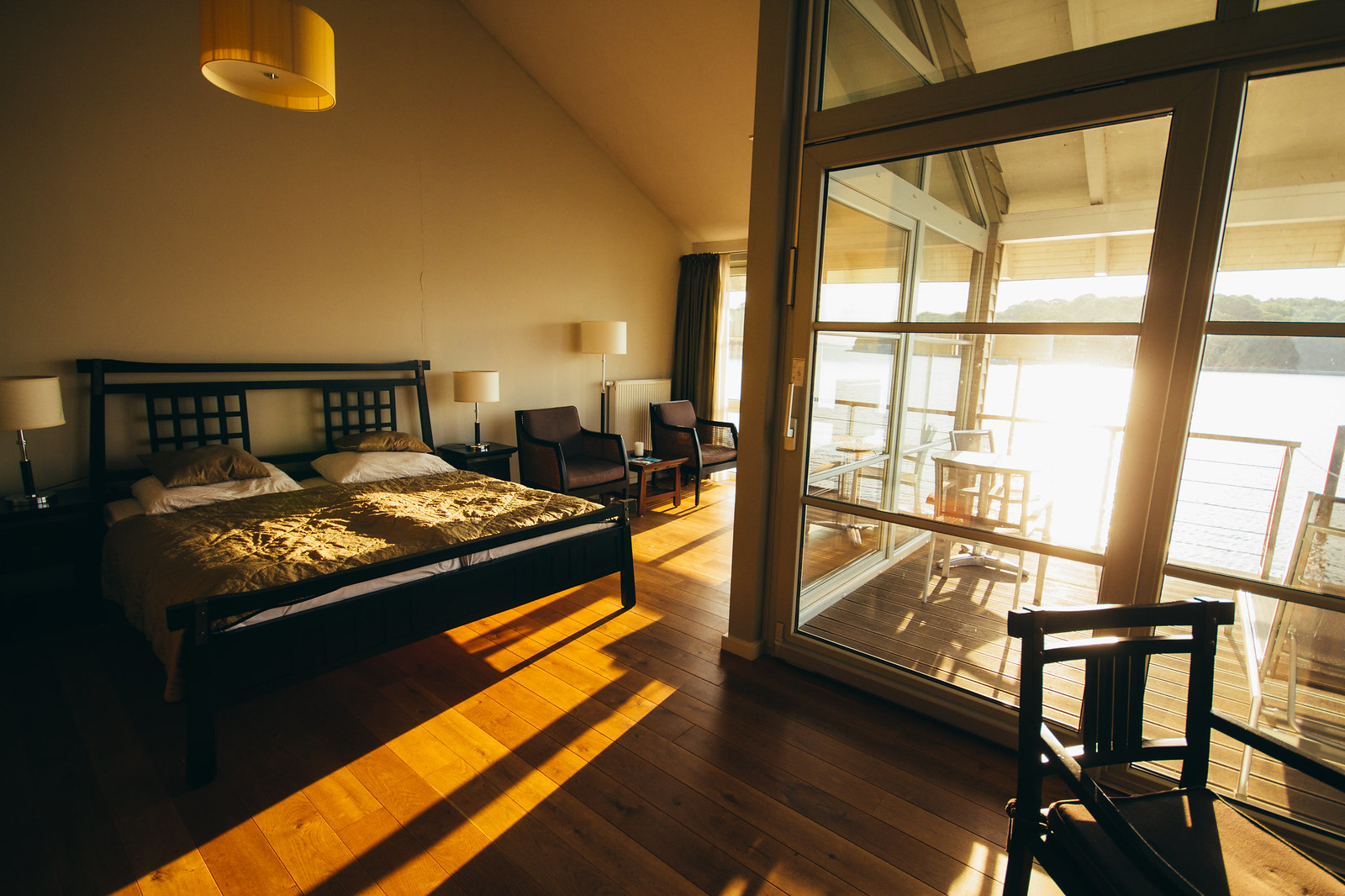
The supercool rafts became our home for the night and after a wonderful comfortable sleep, we were ready to take on the last leg of the trip in Feldberger Seenlandschaft...


Mushroom/herbal walk at Hauptmannsberg- & Hullerbusch Nature Reserve
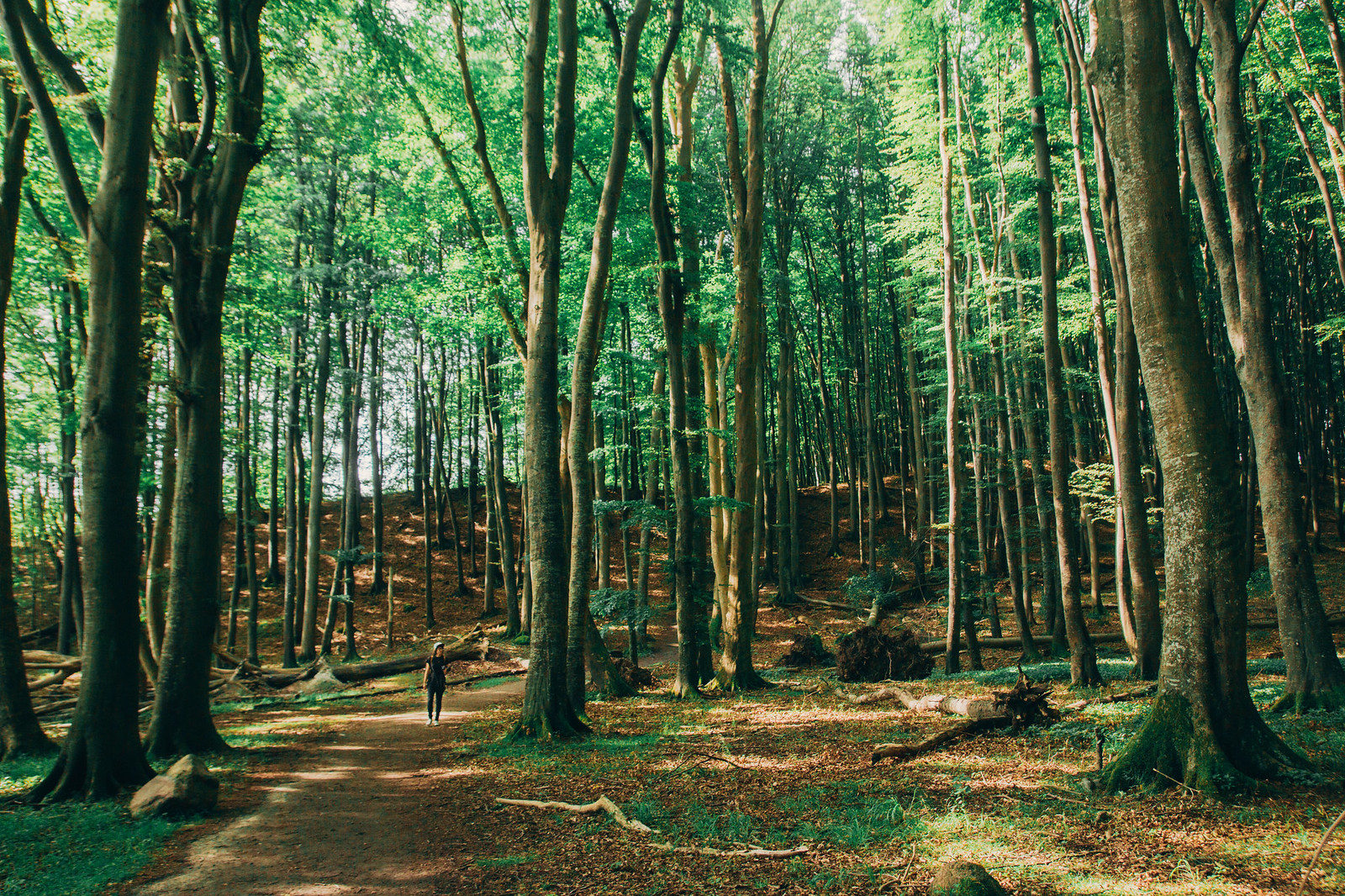
In the early morning hours, Dr. Jochen Kurth took us on a guided mushroom- & herbal walk at Hauptmannsberg Nature Reserve.
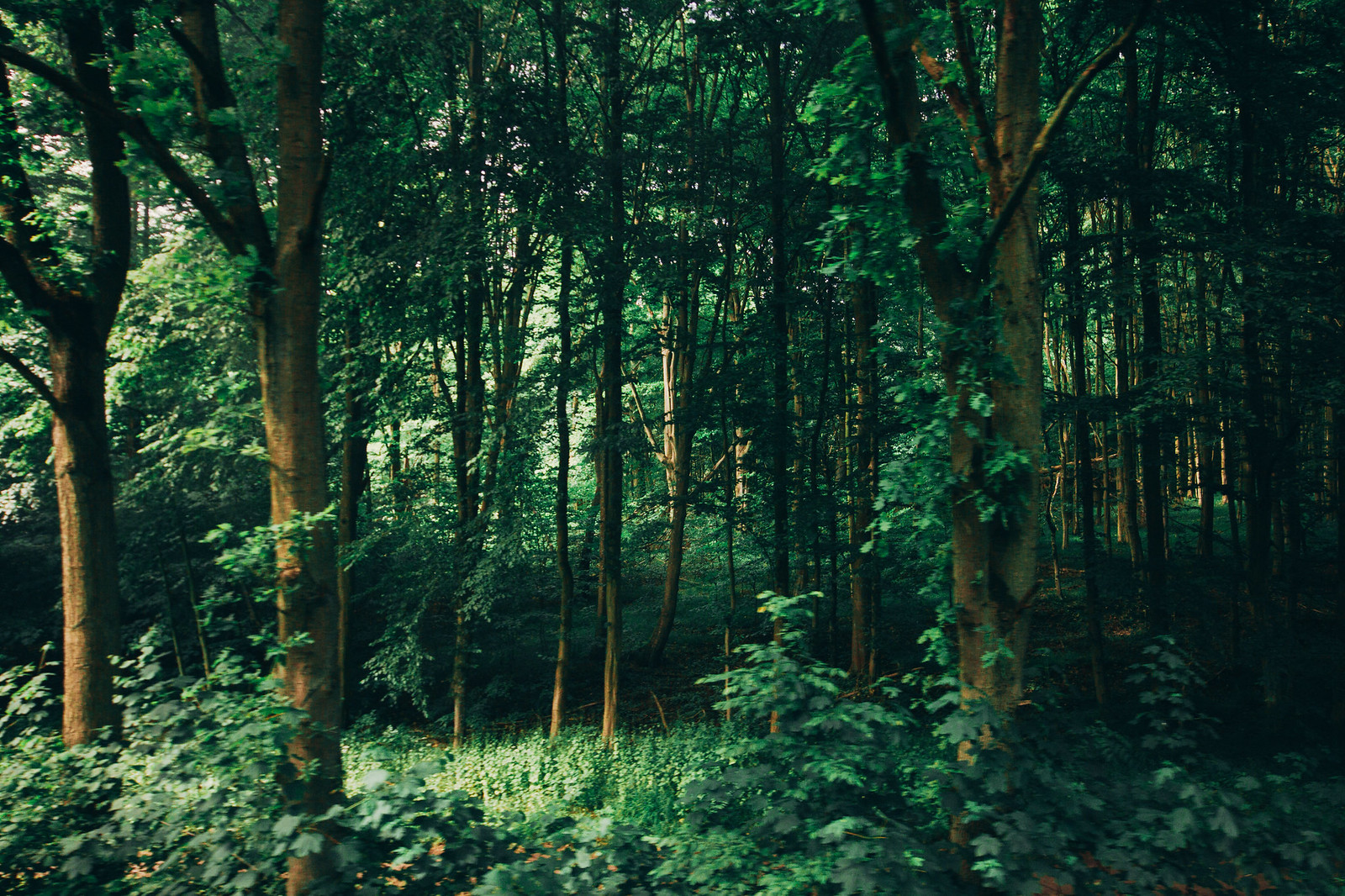
Left and right, Dr. Kurth pointed out interesting plants with effects towards diseases and improvement of general health. He even had us tasting some of the plants to distinguish the differences in taste. An almost culinary experience as our taste buds were exposed to the various plants that we encounted. Some saur, some sweet, some just pure leafy. Since we only had a couple of hours at hand, we didn’t make it to neighbouring Hullerbusch Nature Reserve which in fact is directly connected to Hauptmannsberg. A network of footpaths and nature trails covering steep slopes and rocky passages can be discovered in these natural reservoirs, but for now we only took a short roundtrip. The central area of the Feldberger Seenlandschaft, in which Hauptmannsberg and Hullerbusch is located, is part of the terminal moraine of the latest glaciation and offers some of the greatest contour differences in Northern Germany. Standing on top of Hauptmanssberg (121 m) we had a charming overview of the deep clear lakes, the sandy flats and the striking hilly terrain alternating with forest and heath landscapes. The sun was gleaming on us at this perfectly situated lookout post and it was in this very moment we could start comprehending the manifold and diverse forms of Feldberger Seenlandshaft formed by the Ice Age.


Collaboration information
The trip is made in collaboration with the German National Tourist Board (GNTB) and is part of the Danish promo campaign EinSmuttur lanched by the GNTB and partners in Northern Germany. The campaign runs from June 2017 until March 2018 and you can find inspiration as well as special offers on the website Einsmuttur.germany.travel